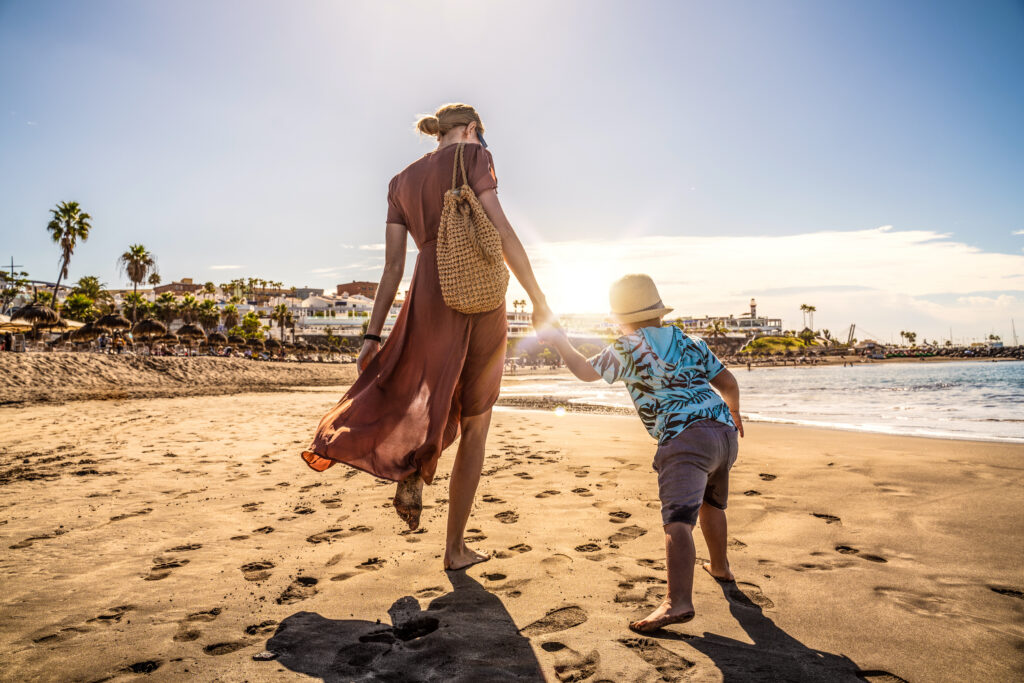
If the first sign of summer makes you dream of golden beaches, turquoise coves and long evenings beside the Mediterranean, Majorca is the answer.
The largest of Spain’s Balearic Islands combines a warm Mediterranean climate with beautiful beaches, lively and laid-back resorts, spectacular mountain scenery and a surprisingly rich cultural heritage. It’s easy to understand why Majorca has remained one of Europe’s favourite summer holiday destinations for generations. While its coastline is undoubtedly one of the main attractions, venture inland from the beach and you’ll discover historic towns, traditional villages, dramatic mountains and hidden coves.
Majorca’s favourite resorts
Majorca offers an impressive choice of resorts, from lively seaside towns to quieter family-friendly destinations. Most of the island’s main holiday areas are within an easy drive of Palma Airport, although transfer times vary depending on whether you are staying in the south, east or north of the island.
On the southwest coast with a transfer time of under an hour, Palma Nova is a long-standing favourite with families and couples thanks to its sandy beaches, attractive promenade and excellent choice of restaurants, cafés and hotels. It offers plenty to do at a slower pace than neighbouring Magaluf, which is well known for its energetic atmosphere, nightlife and entertainment.
Further along the southwest coast, Santa Ponsa combines a broad sandy beach with restaurants, shops and a relaxed holiday atmosphere. Its sheltered bay and wide range of facilities make it particularly popular with families.
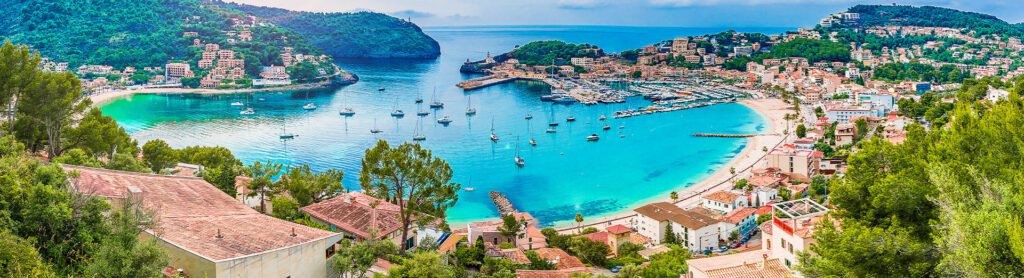
In the north, Puerto Pollensa offers a different side of Majorca. Backed by the Tramuntana mountains and overlooking the beautiful Bay of Pollensa, its long waterfront promenade, sandy beach and relaxed atmosphere have made it a firm favourite with couples and families. Nearby Alcúdia and Playa de Muro are also excellent choices for beach lovers, with an extensive stretch of pale sand and shallow Mediterranean waters. Expect transfer times of around 90 minutes for these resorts.
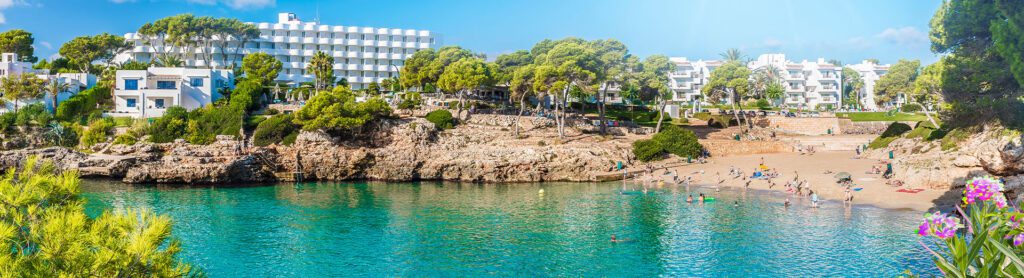
On the east coast, resorts such as Cala d’Or are known for picturesque coves, whitewashed buildings and attractive marinas. Wherever you choose to stay, hiring a car or joining an organised excursion through our partners at Musement makes it easy to experience more of this wonderfully varied island.
From Palma to a remarkable UNESCO World Heritage Site
No visit to Majorca is complete without spending some time in its vibrant capital, Palma. The city combines centuries of history with excellent shopping, restaurants, galleries and a picturesque waterfront. Its most famous landmark is the enormous Gothic Cathedral of Santa Maria, commonly known as La Seu, which dominates the city’s skyline beside the sea. Wander through the surrounding old town and you’ll discover narrow lanes, hidden courtyards, historic churches and inviting tapas bars.
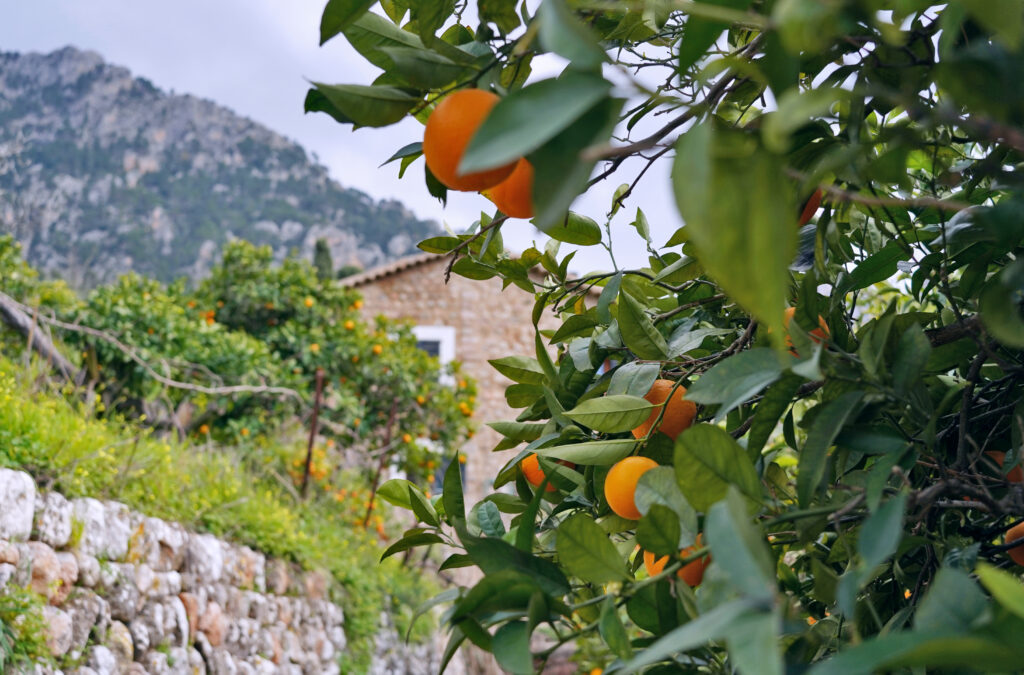
For a completely different experience, head north-west from Palma into the Serra de Tramuntana. Running along Majorca’s north-western coast, this spectacular mountain range was inscribed on the UNESCO World Heritage List in 2011 as a Cultural Landscape. Centuries of farming have shaped the steep terrain through agricultural terraces, dry-stone structures and ingenious systems for managing scarce water supplies to sustain abundant olive and citrus groves.
The mountains are also home to some of Majorca’s most beautiful towns and villages. Valldemossa, with its stone houses and cobbled streets, makes a memorable stop, while Deià is famous for its dramatic setting overlooking the Mediterranean. Further north, Sóller sits among citrus groves in a valley surrounded by mountains. One particularly memorable way to reach the area is aboard the historic railway between Palma and Sóller, before continuing towards the waterfront at Port de Sóller.

Activities for every kind of visitor
Majorca offers far more than sunbathing. Adults can hike or cycle through the Serra de Tramuntana, scuba dive and snorkel in clear Mediterranean waters, play golf, explore sea caves or try kayaking and paddleboarding along the coast. The island’s marine reserves and crystal-clear coves also provide excellent opportunities for discovering its underwater world.
Boat trips are another popular way to experience Majorca, whether you choose a leisurely cruise along the coastline, a sailing trip from one of the island’s marinas or an excursion to discover secluded beaches and coves that can be difficult to reach by road.
Those looking for a slower pace can visit traditional inland villages, browse local markets, tour a vineyard or spend a day exploring Palma. Food is another excellent reason to venture away from your hotel. Look out for local specialities such as pa amb oli, bread traditionally served with olive oil and tomato, as well as sobrasada and the island’s famous spiral-shaped ensaïmada pastries.
Families have plenty to keep younger travellers entertained. Majorca’s long sandy beaches and sheltered coves provide countless opportunities for swimming and sandcastle building, while boat trips, adventure parks and family attractions offer alternatives to the beach. Palma Aquarium, close to Playa de Palma, is one of the island’s best-known family attractions, while Majorca also has several water parks, including Aqualand El Arenal, Western Water Park and Hidropark in the north of the island.
Children can also experience the island’s scenery aboard the historic train to Sóller, explore Majorca’s natural parks or simply spend the day discovering another beautiful beach. With such varied landscapes packed into one island, it’s possible to enjoy the coast and mountains on the same day.
With glorious summer sunshine, welcoming resorts, beautiful beaches, dramatic mountains, family attractions and fascinating cultural sights, Majorca offers much more than a simple beach escape. Whether you want adventure, relaxation, great food or a little of everything, it is an island that rewards exploration.
Majorca FAQs
How hot is Majorca in the summer?
Yes. Majorca has a Mediterranean climate with hot, sunny summers. According to the Spanish meteorological service average summer temperatures range between 22 degrees in May and 29 degrees in July and August.
Which part of Majorca is best for a holiday?
It depends on the type of holiday you are looking for. Palma Nova and Santa Ponsa are popular choices for families and couples, Magaluf suits visitors looking for lively nightlife and entertainment, while Puerto Pollensa, Alcúdia and Playa de Muro are excellent options for relaxed family beach holidays. Cala d’Or is a good choice for visitors looking for picturesque coves and a Mediterranean resort atmosphere.
What are the best things to do in Majorca?
Popular activities include exploring Palma, visiting the Serra de Tramuntana, taking the historic train to Sóller, discovering Valldemossa and Deià, hiking, cycling, golfing, snorkelling, scuba diving, taking a boat trip and visiting the island’s many beaches and hidden coves.
Is Majorca good for families?
Yes. Majorca is extremely family-friendly, with sandy beaches, sheltered swimming areas, boat trips, water parks, Palma Aquarium, adventure parks and plenty of family-friendly hotels and resorts. The island also offers natural parks, mountain villages and other activities for families looking to explore beyond the beach. Detailed information can be found on Spain’s official tourism website.